
If you’re thinking about updating your kitchen, you’re probably asking one important question first: How much will a kitchen renovation cost in Oregon in 2026? It’s a fair concern because remodeling your kitchen is one of the biggest investments you can make in your home. Without proper planning, costs can quickly exceed your budget, leaving you stressed instead of excited.
The good news is that understanding what affects renovation costs can help you make smarter decisions. Whether you’re planning a simple kitchen refresh or a complete transformation, knowing what to expect allows you to budget with confidence and avoid unpleasant surprises.
In this guide, you’ll learn about the average kitchen renovation costs in Oregon, the biggest factors that influence pricing, where your money typically goes, and practical ways to save without sacrificing quality.
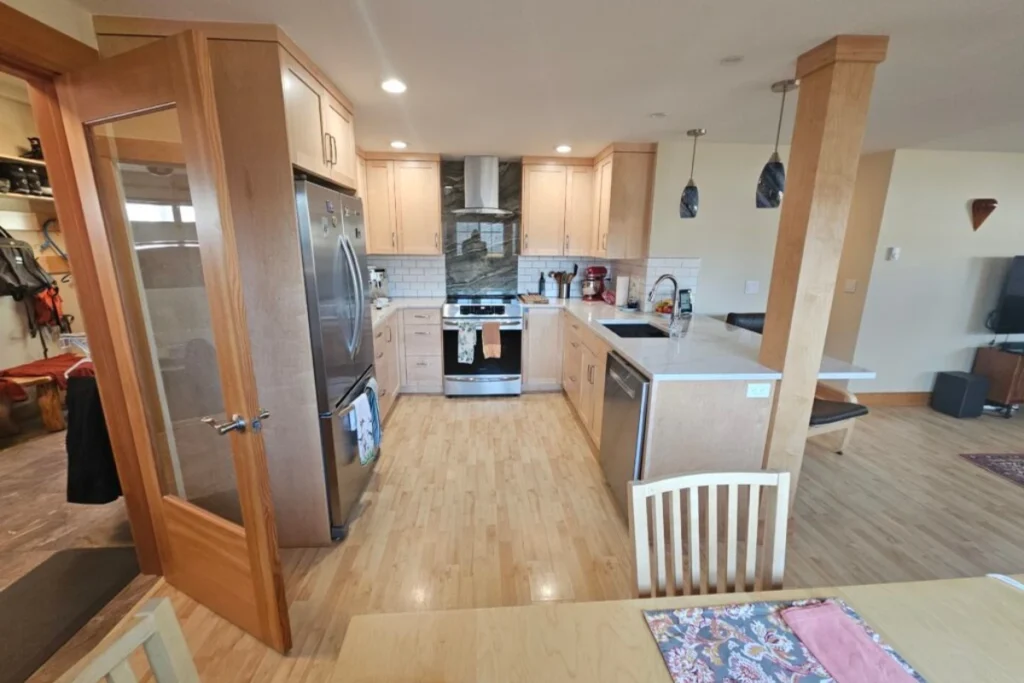
Why Kitchen Renovation Is Worth the Investment
The kitchen is more than just a place to prepare meals. It’s where families gather, conversations happen, and memories are made. Because of this, homeowners often consider the kitchen the heart of the home.
A well-designed kitchen renovation offers several benefits:
- Improves daily living: Better layouts, more storage, and updated appliances make cooking and entertaining much easier.
- Increases home value: Buyers often pay more for homes with modern, functional kitchens.
- Enhances energy efficiency: New appliances, LED lighting, and updated fixtures can lower utility costs.
- Provides long-term satisfaction: Instead of working around an outdated space, you’ll enjoy a kitchen designed for your lifestyle.
Average Kitchen Renovation Cost in Oregon in 2026
Kitchen remodeling costs vary significantly depending on the size of your kitchen, the quality of materials, and the amount of work involved.
Here’s a general idea of what homeowners can expect in Oregon during 2026.
Minor Kitchen Remodel
A minor renovation usually focuses on cosmetic improvements rather than changing the entire layout.
Typical updates include:
- Repainting cabinets instead of replacing them.
- Installing new countertops.
- Replacing lighting fixtures.
- Adding a new backsplash.
- Updating sinks and faucets.
- Installing modern hardware.
Most homeowners can expect to invest somewhere between $15,000 and $35,000, depending on material choices and labor costs.
Mid-Range Kitchen Remodel
A mid-range renovation includes larger improvements while keeping the existing floor plan mostly intact.
This often includes:
- Semi-custom cabinetry.
- Quartz countertops.
- New flooring.
- Updated appliances.
- Improved lighting.
- Fresh paint.
- Better storage solutions.
These projects generally range from $35,000 to $70,000.
High-End Kitchen Remodel
Luxury kitchen renovations involve premium materials and complete customization.
These projects may include:
- Custom cabinetry.
- Professional-grade appliances.
- Natural stone countertops.
- Large kitchen islands.
- Custom lighting.
- Luxury flooring.
- Structural changes.
- Smart home technology.
High-end kitchen renovations often start around $70,000 and can easily exceed $150,000, especially for larger homes.
Factors That Affect Kitchen Renovation Costs
Every kitchen is different, which is why no two remodeling projects cost exactly the same.
Here are the biggest factors influencing your final budget.
Kitchen Size
Larger kitchens require more flooring, cabinetry, countertops, paint, and labor. Even small increases in square footage can noticeably affect the final cost.
Cabinet Choices
Cabinets are usually the most expensive part of a kitchen remodel.
Your options include:
- Stock cabinets for affordability.
- Semi-custom cabinets for flexibility.
- Fully custom cabinets for personalized designs.
Custom cabinetry costs significantly more but offers better functionality and a unique appearance.
Countertop Materials
Countertop pricing varies based on the material you choose.
Popular options include:
- Laminate for budget-friendly renovations.
- Butcher block for warmth and character.
- Quartz for durability and low maintenance.
- Granite for natural beauty.
- Marble for luxury designs.
Premium materials increase both material and installation costs.
Flooring
Flooring selection also affects your budget.
Common kitchen flooring includes:
- Luxury vinyl plank.
- Ceramic tile.
- Porcelain tile.
- Engineered hardwood.
- Natural hardwood.
Water resistance, durability, and installation complexity all play a role in pricing.
Appliances
Replacing appliances can significantly increase your renovation budget.
Many homeowners upgrade to:
- Energy-efficient refrigerators.
- Smart ovens.
- Built-in microwaves.
- Induction cooktops.
- Quiet dishwashers.
- Wine refrigerators.
Professional-grade appliances naturally cost much more than standard models.
Plumbing and Electrical Work
If you’re relocating sinks, dishwashers, or appliances, plumbing costs will increase.
Similarly, adding outlets, under-cabinet lighting, recessed lighting, or new electrical circuits requires licensed electricians, increasing labor expenses.
Structural Changes
Removing walls or changing the kitchen layout creates additional work.
Structural modifications often require:
- Engineering plans.
- Building permits.
- New framing.
- HVAC adjustments.
- Additional inspections.
These improvements greatly increase the overall project cost.
Labor Costs in Oregon
Labor typically accounts for a large portion of any kitchen renovation.
Depending on the project, you may work with:
- General contractors.
- Carpenters.
- Electricians.
- Plumbers.
- Flooring installers.
- Cabinet installers.
- Painters.
- Tile specialists.
Oregon’s skilled labor market remains competitive, especially in growing communities where remodeling demand continues to rise.
Hiring experienced professionals may cost more initially, but quality workmanship often saves money by preventing future repairs.
Hidden Costs Many Homeowners Forget
Many renovation budgets overlook smaller expenses that eventually add up.
These may include:
- Permit fees.
- Design consultations.
- Demolition.
- Waste disposal.
- Temporary kitchen setup.
- Unexpected water damage.
- Mold remediation.
- Electrical upgrades.
- Plumbing repairs.
- Delivery charges.
Setting aside an additional 10% to 20% contingency budget is often recommended to cover unexpected issues discovered during construction.
Ways to Save Money on Your Kitchen Remodel
A beautiful kitchen doesn’t always require the biggest budget.
Consider these cost-saving strategies.
Keep the Existing Layout
Moving plumbing and electrical systems dramatically increases costs.
If possible, leave your sink, stove, and refrigerator in their current locations while updating everything around them.
Refinish Instead of Replace Cabinets
If your cabinet boxes remain in good condition, repainting or refacing them can save thousands of dollars compared to complete replacement.
Choose Durable Mid-Range Materials
Premium finishes are attractive, but many mid-range materials offer similar appearance and performance for much lower prices.
Quartz, luxury vinyl flooring, and semi-custom cabinets often provide excellent value.
Shop Appliance Sales
Buying appliances during holiday promotions or seasonal sales can significantly reduce expenses.
Many retailers also offer package discounts when purchasing multiple appliances together.
Renovate in Phases
If your budget is limited, consider completing your renovation over time.
You might replace cabinets first, then upgrade countertops and appliances later.
This approach makes larger renovations more financially manageable.
Kitchen Design Trends in Oregon for 2026
Many Oregon homeowners are choosing kitchens that combine beauty with practicality.
Popular trends include:
- Warm wood cabinetry replacing all-white kitchens.
- Large islands designed for dining and entertaining.
- Hidden appliance garages.
- Smart lighting systems.
- Walk-in pantries.
- Matte black and brushed brass fixtures.
- Sustainable building materials.
- Energy-efficient appliances.
- Open shelving mixed with closed cabinets.
- Natural stone-inspired countertops.
These features improve both appearance and functionality without necessarily requiring luxury-level spending.
Should You Hire Professionals?
Although DIY renovations can save money on simple cosmetic updates, complete kitchen remodeling is much more complicated.
Professional contractors help ensure:
- Building codes are followed.
- Permits are properly handled.
- Plumbing is safely installed.
- Electrical work meets safety standards.
- Timelines stay organized.
- Material waste is minimized.
- Problems are identified early.
Working with experienced remodeling professionals also provides peace of mind throughout the renovation process.
How to Prepare Before Starting Your Renovation
Planning ahead can make the renovation process much smoother.
Before beginning, take time to:
- Define your budget and include room for unexpected expenses.
- Create a list of must-have features versus optional upgrades.
- Gather design inspiration that matches your lifestyle.
- Research materials before making final selections.
- Compare contractor estimates carefully rather than choosing solely based on price.
- Discuss timelines, warranties, and communication expectations before work begins.
A little preparation can prevent costly changes later in the project.
Frequently Asked Questions
1. What is the average kitchen renovation cost in Oregon in 2026?
Most homeowners spend between $15,000 and $70,000, while luxury renovations can exceed $150,000, depending on project size and materials.
2. What is the most expensive part of a kitchen remodel?
Cabinetry is usually the largest expense because it involves both materials and skilled installation.
3. Is a kitchen remodel worth the investment?
Yes. A quality kitchen renovation improves everyday living while also increasing your home’s appeal and resale value.
4. How long does a kitchen renovation usually take?
Most projects take between 6 and 12 weeks, although larger renovations involving structural work may require additional time.
5. Can I renovate my kitchen on a smaller budget?
Absolutely. Painting cabinets, updating countertops, replacing fixtures, and improving lighting can dramatically refresh your kitchen without a complete remodel.
6. Should I replace or reface my cabinets?
If your cabinet structure is still solid, refacing or repainting can save a substantial amount of money while achieving a fresh appearance.
7. Do kitchen remodels require permits in Oregon?
Many projects involving electrical work, plumbing, or structural changes require permits. Your contractor can help determine which permits are needed.
8. What countertop material offers the best value?
Quartz remains one of the most popular choices because it combines durability, attractive appearance, and relatively low maintenance.
9. How much extra money should I budget for unexpected costs?
It’s wise to reserve 10% to 20% of your renovation budget for hidden issues such as water damage, outdated wiring, or plumbing repairs.
10. What adds the most value during a kitchen renovation?
Updated cabinets, quality countertops, efficient appliances, improved lighting, and a functional layout generally provide the greatest return on investment.
Final Words
A kitchen renovation is one of the most rewarding home improvement projects you can undertake, but it also requires thoughtful planning and realistic budgeting. By understanding the factors that influence kitchen renovation costs in Oregon in 2026, you can make informed decisions that align with your goals and financial comfort.
Whether you’re planning a modest refresh or a complete transformation, investing in quality materials, experienced professionals, and a well-designed layout can help create a kitchen you’ll enjoy for years to come. With careful preparation and the right remodeling approach, your dream kitchen can become a lasting investment in both your home and your everyday life.